Starting the New Year in the Frozen Aisle ❄️
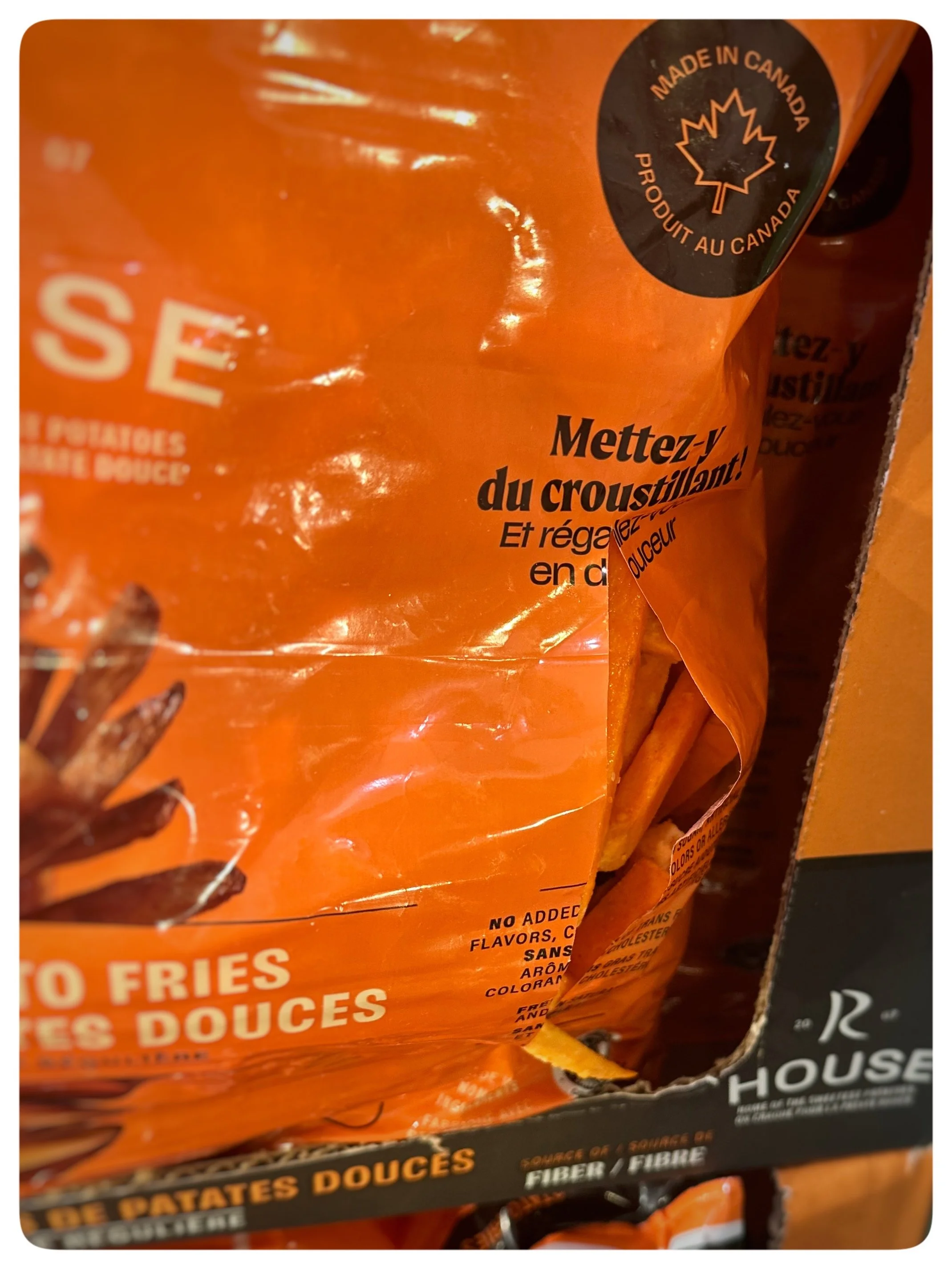
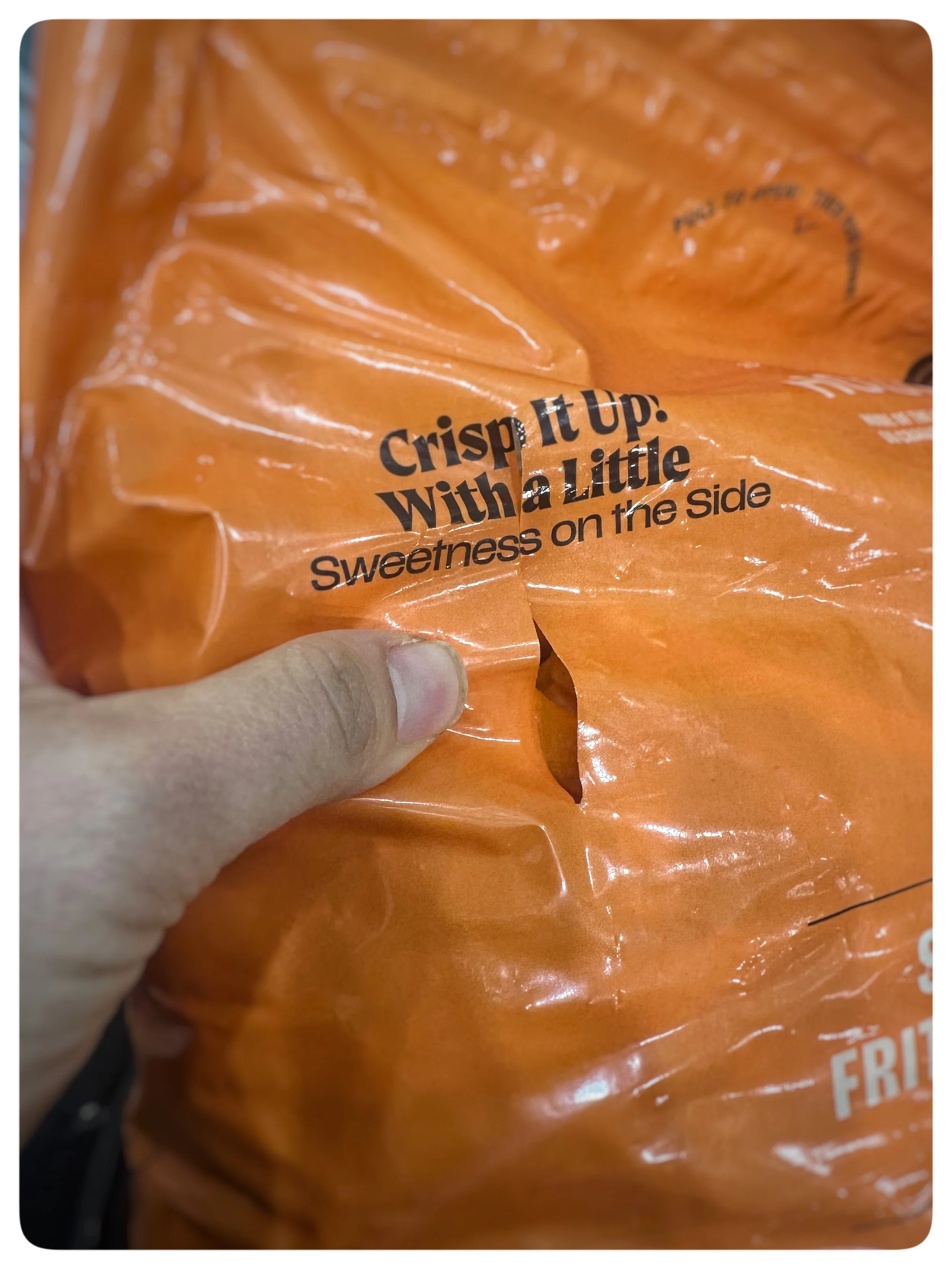
Kicking off 2026 with one of our favorite habits: observing how food packaging performs in real-world settings, across categories and use conditions. Sometimes specifications and lab data alone can’t predict what happens, which is why real-life observation matters.
One thing that continues to stand out — especially in the frozen aisle — is how often the product looks great, yet the flexible packaging is cracked. This is a clear example of where material behavior at sub-zero temperatures hasn’t been fully validated outside the lab.
The challenge becomes even more complex as brands move from conventional packaging to more sustainable or mono-material solutions 🌲 🌲 🌲 . These transitions go far beyond material substitution. Performance still has to be proven — including resistance to cracking at real frozen temperatures — while aligning with environmental impact goals, confirming compatibility with existing packaging equipment, and continuing to meet regulatory, logistics, labeling, and consumer convenience requirements. It’s a strong reminder of how much time, testing, and iteration sit behind a successful transition — R&D takes time, and shortcuts tend to surface later.
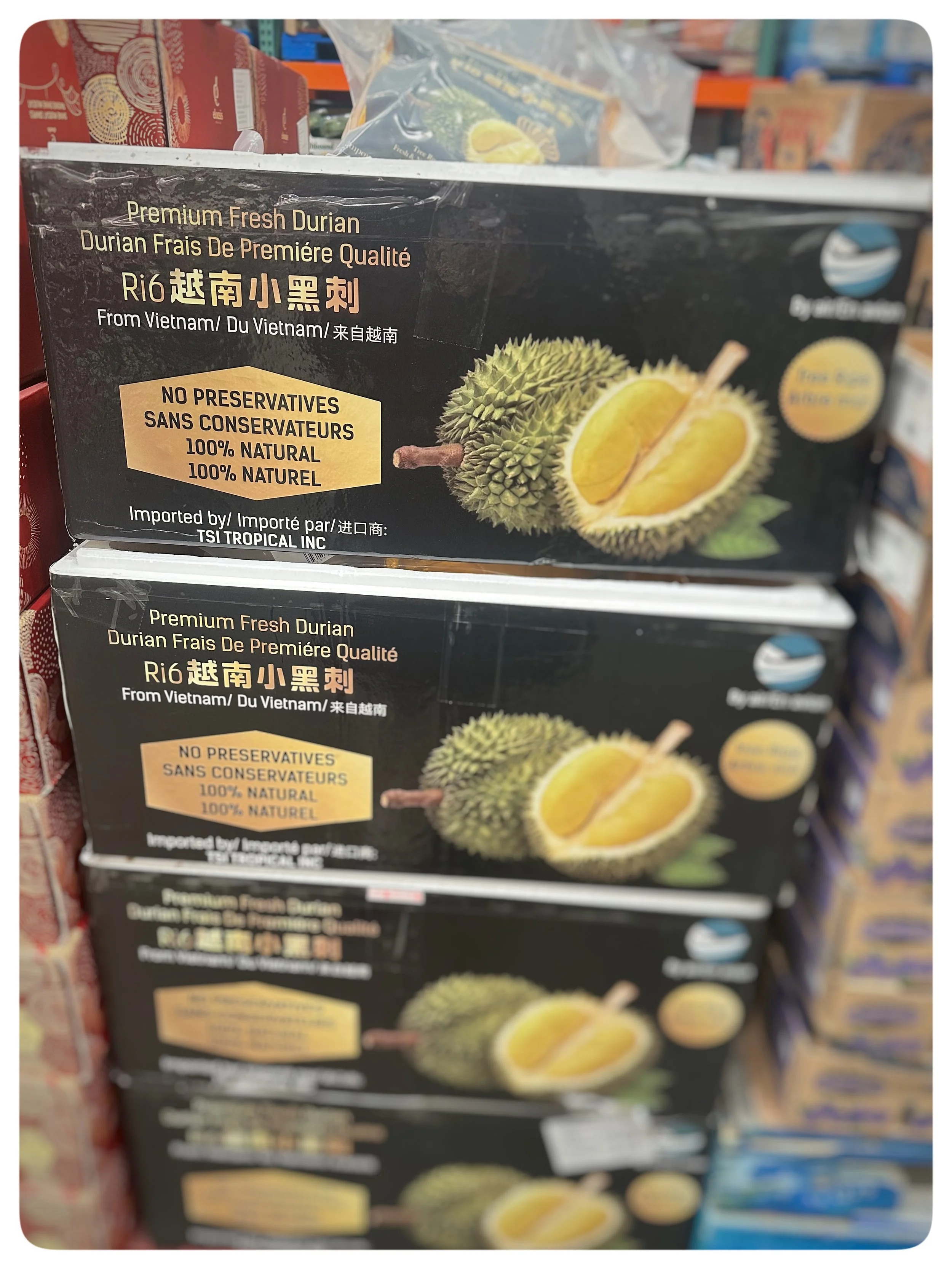
On a positive note, it was genuinely nice to see Vietnamese food products — along with the packaging that protects them — making the long journey to serve Canadian consumers