
Perfect Grab-and-Go Snack
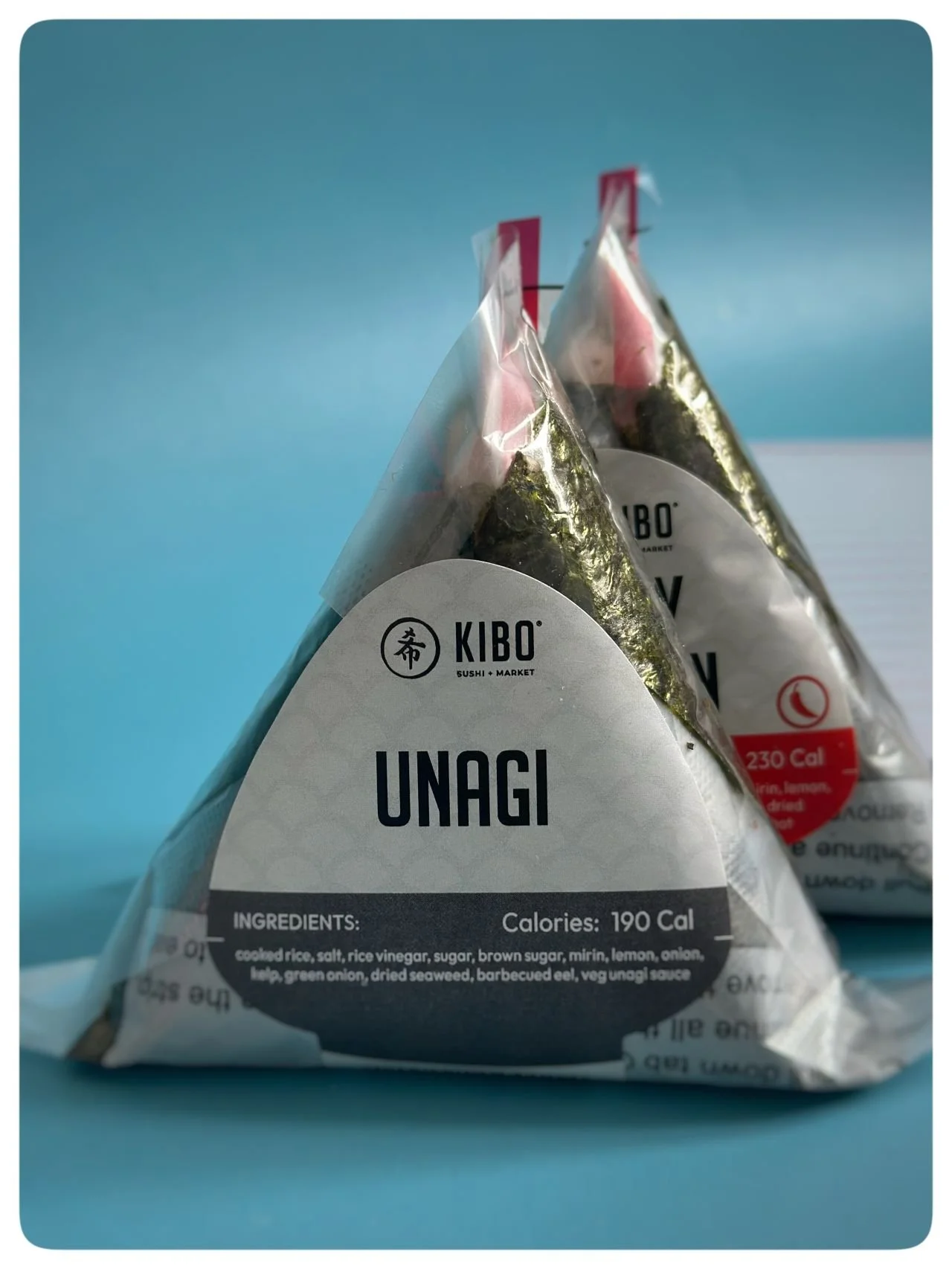

Onigiri (Jumeokbap - Cơm nắm): The Perfect Grab-and-Go Snack, Perfected by Packaging
This morning, I packed onigiri for my kids' school lunch. One of them prefers eating the crispy seaweed first before enjoying the rice, while the other loves eating the rice and seaweed together. No matter how we eat it, we all love onigiri!
Onigiri, also known as Jumeokbap in Korea and Cơm nắm in Vietnam, is a beloved rice ball that has gained popularity across Japan, Korea, and other parts of Asia. Found everywhere from restaurants and train stations to convenience stores, it embodies both tradition and convenience in a single triangular form. Unlike other rice-based dishes, onigiri requires no table, bowl, spoon, or chopsticks—just clean hands and a few minutes to enjoy.
From Soggy to Crisp: The Evolution of Onigiri Packaging
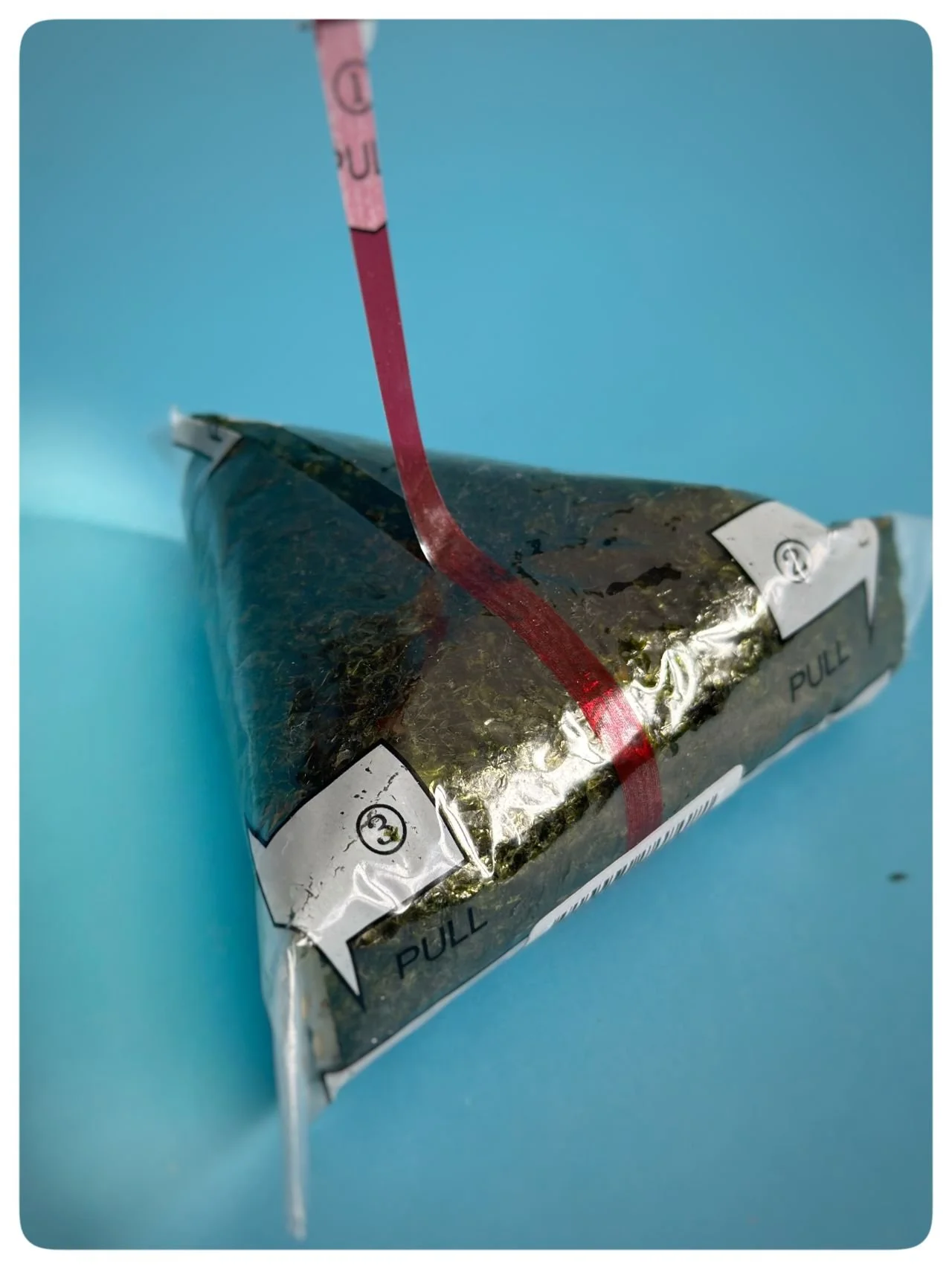
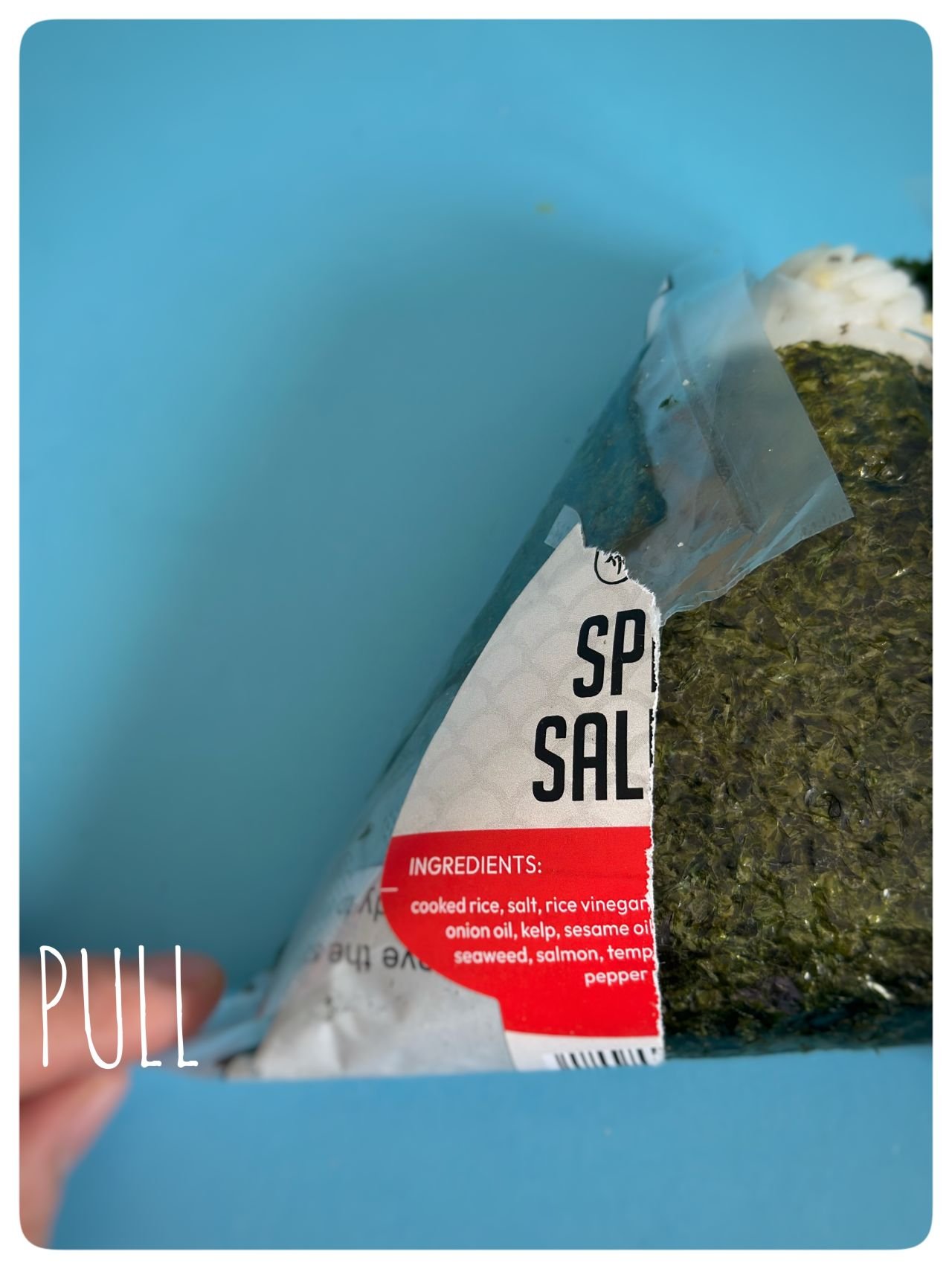
As a child, I remember that the seaweed (nori) on onigiri was always soggy, which was disappointing. Fortunately, packaging innovations have transformed this experience. The modern onigiri wrapper is a brilliant case study in functionality, freshness, and user experience:
- Barrier Technology: The double-layer structure prevents moisture transfer, keeping the rice soft and the nori crisp.
- Intuitive Opening System: The three-step pull-tab design allows for a seamless unwrapping experience, ensuring that the seaweed wraps around the rice at the last moment for maximum freshness.
- Food Safety & Hygiene: The packaging prevents direct hand contact with the rice, making it a sanitary grab-and-go option—especially relevant in a post-pandemic world.
- Microwave-Friendly Design: Many convenience store onigiri can be microwaved in their packaging, ensuring the rice retains its ideal moisture level.
Respecting the Rice Ball
Beyond convenience, onigiri is also a symbol of respect for the rice and the farmers who grow it. In many Asian cultures, letting grains of rice stick to your hands or leaving rice uneaten is considered disrespectful. The thoughtful design of onigiri packaging ensures that every grain is accounted for and appreciated.
What’s Next? The Future of Onigiri Packaging
While today’s onigiri packaging is a marvel of design, there’s still room for innovation—especially in sustainability. As the world shifts toward eco-friendly solutions, how can we optimize onigiri packaging to reduce waste while preserving its functionality?
Would you love to see a more sustainable solution for onigiri packaging? What changes do you think could make it even better? Let’s us know!